

 By
By Introduction
For the longest time, my living room felt unfinished, even though I had all the “right” furniture. The sofa was fine, the lighting worked, but the walls just felt blank and disconnected.
I used to think wall decor meant expensive art or perfectly styled gallery walls. But over time, I realized it’s more about adding pieces that feel personal and lived in.
These are simple ideas I’ve tried (or wish I tried earlier), and they genuinely changed how my space feels.
1. A Single Oversized Statement Piece
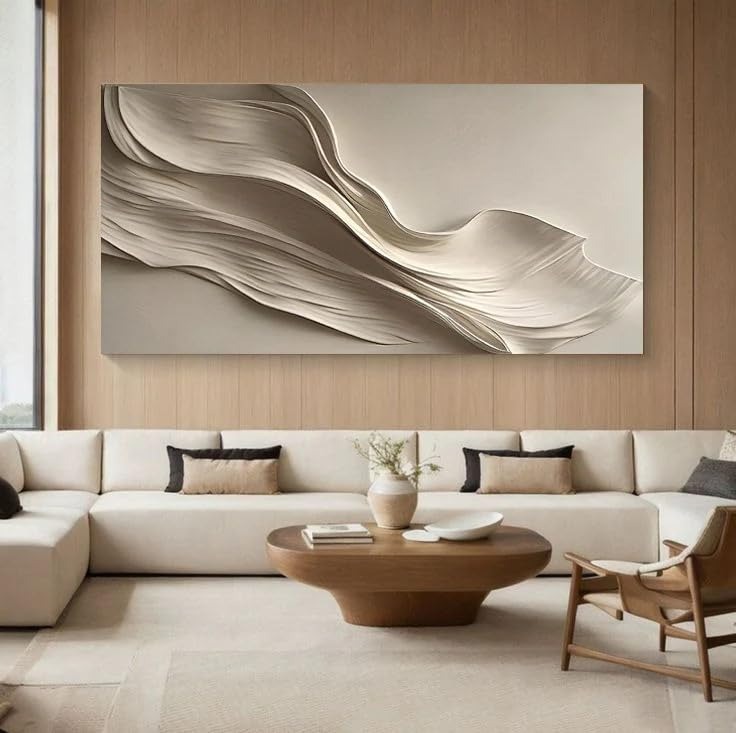
Instead of filling the wall with multiple frames, I tried using just one large artwork.
At first, it felt too simple, but that’s exactly what worked. It gave the room a focal point without making it feel cluttered. I chose something neutral with texture, and it quietly tied everything together.
Tip: Go bigger than you think — small frames often get lost on large walls
Why I like it: Clean, minimal, and instantly impactful
2. Floating Shelves That Feel Lived-In
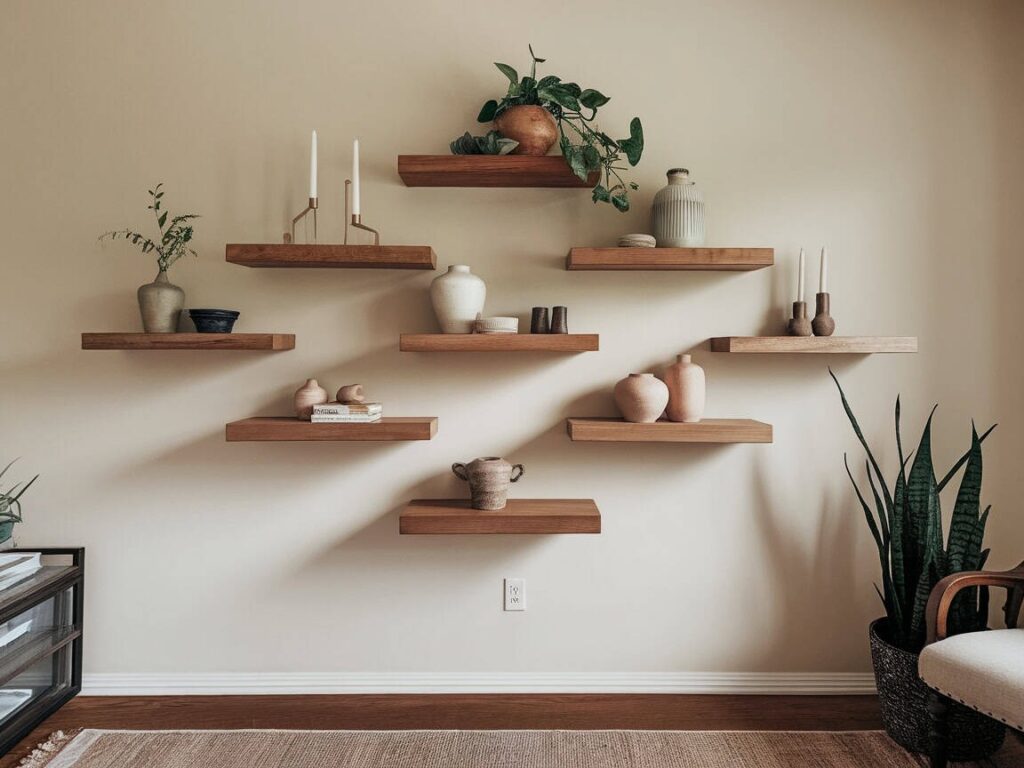
I added a couple of floating shelves, not to decorate perfectly, but to display things I actually use or like.
Books, a small plant, a candle, and a random object I picked up while traveling — it made the space feel more personal rather than staged.
Tip: Don’t overcrowd — leave some empty space
Why I like it: Easy to change anytime without redoing the whole wall
3. Framed Fabric or Textiles
This is something I rarely see people talk about.
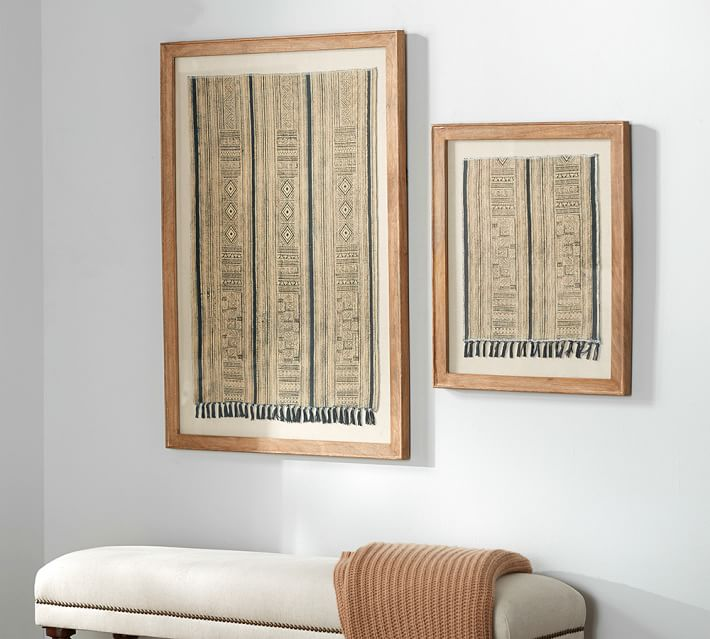
Instead of traditional art, I framed a piece of fabric with subtle patterns. It added texture in a way that prints or posters never did.
It feels softer and more unique, especially in a neutral room.
Tip: Use linen, block prints, or even scarves
Why I like it: Adds texture without making the wall heavy
4. A Mirror That Reflects Light, Not Just Space
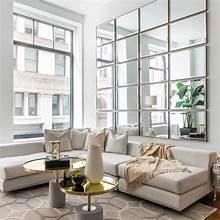
I used to think mirrors were only for making a room look bigger. But placement changed everything.
When I placed a mirror opposite a window, it started reflecting natural light across the room. The whole space felt brighter without adding more lights.
Tip: Place mirrors where they reflect light, not clutter
Why I like it: Makes the room feel open and brighter instantly
5. Wall-Mounted Plants
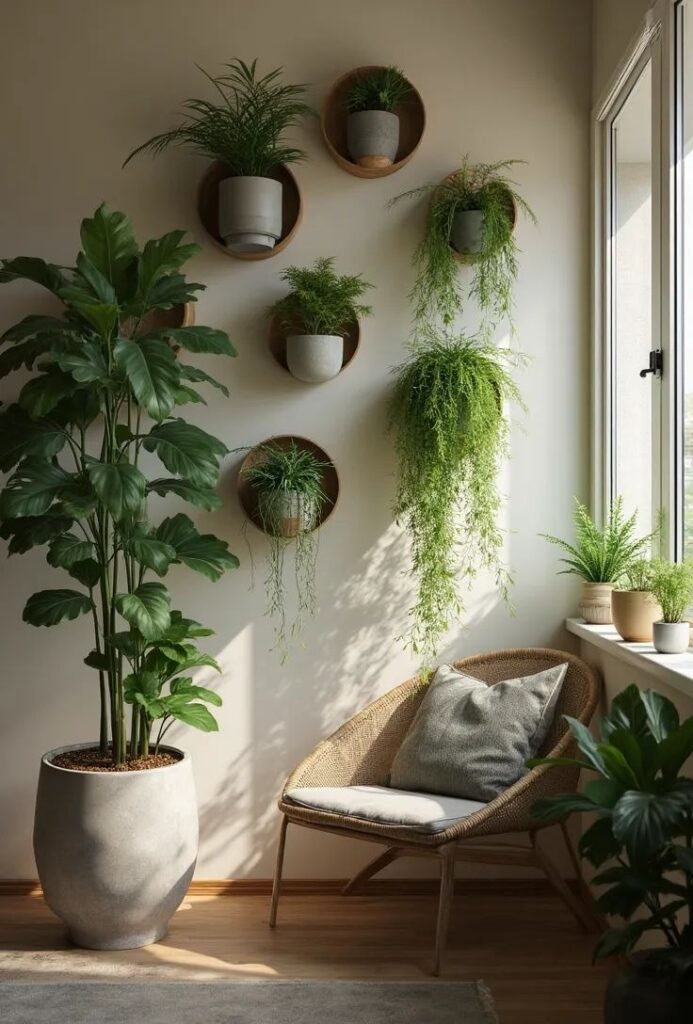
Adding plants to walls was a small change that made a big difference.
Instead of keeping everything on tables, I used simple wall planters. It brought life to empty vertical space and made the room feel fresher.
Tip: Choose low-maintenance plants if you’re a beginner
Why I like it: Adds greenery without taking up floor space
6. A Subtle Accent Wall (Without Paint)
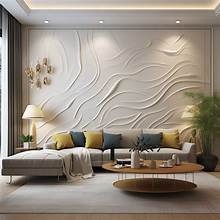
I didn’t want to commit to painting a full wall, so I tried removable wall panels and textures instead.
Even something like wooden strips or peel-and-stick textures added depth without making the room feel overwhelming.
Tip: Stick to soft, neutral tones for a timeless look
Why I like it: Adds depth without permanent changes
7. Personal Photo Corner (But Minimal)
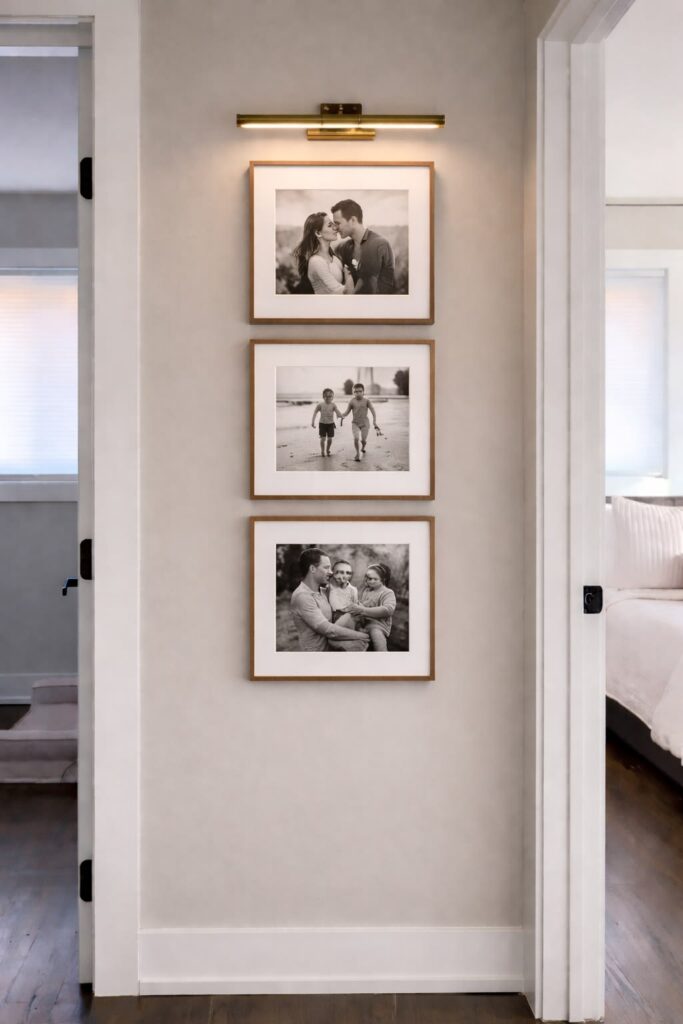
Instead of a full gallery wall, I kept just a few meaningful photos.
I chose 3–4 images that actually meant something to me and used simple frames. It felt more intentional and less cluttered.
Tip: Keep spacing consistent for a clean look
Why I like it: Personal without feeling crowded
🌿 Simple Rule I Follow
I stopped trying to “fill” my walls and started choosing pieces that actually meant something.
Not every wall needs decoration. Sometimes, leaving space is what makes everything else stand out.
🏡 Final Thought
Your living room doesn’t need to look like a catalog.
Once I started treating wall decor as an extension of my personality rather than a checklist, everything started to feel more natural.
Start small, experiment, and let your space evolve over time.