

 By
By I always believed gardening needed a big backyard, expensive tools, and a lot of knowledge. But when I finally started, I realized it’s actually much simpler than it seems. My first few plants weren’t perfect, and I made a lot of small mistakes-but that’s exactly how I learned.
If you’re a complete beginner, I’ll walk you through exactly what worked for me, step by step. You don’t need everything at once-just a simple start.
Table of Contents
- Start Small and Keep It Simple
- Choose the Right Spot
- Understand Sunlight Needs
- Pick Beginner-Friendly Plants
- Get Basic Gardening Tools
- Choose the Right Containers or Soil
- Learn Basic Watering Habits
- Use Good Quality Soil
- Start with Seeds or Small Plants
- Maintain and Observe Regularly
- Be Patient and Keep Learning
1. Start Small and Keep It Simple
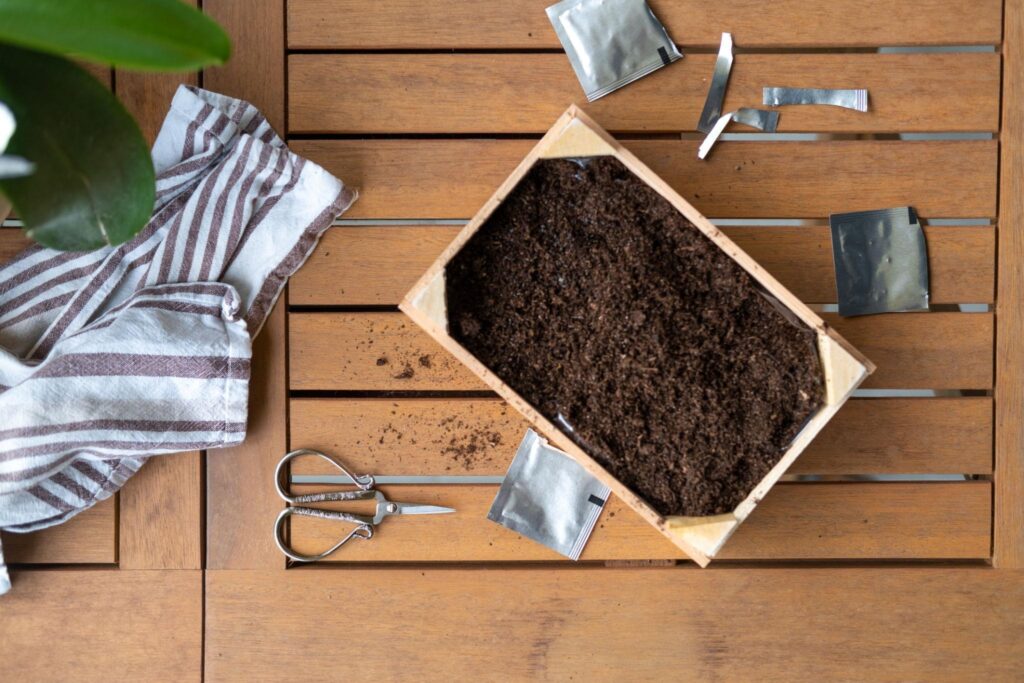
When I first began, I made the mistake of trying to do too much.
I bought too many plants and didn’t know how to manage them. If I could restart, I would begin with just 2-3 plants. Starting small makes it easier to learn and avoids feeling overwhelmed.
2. Choose the Right Spot
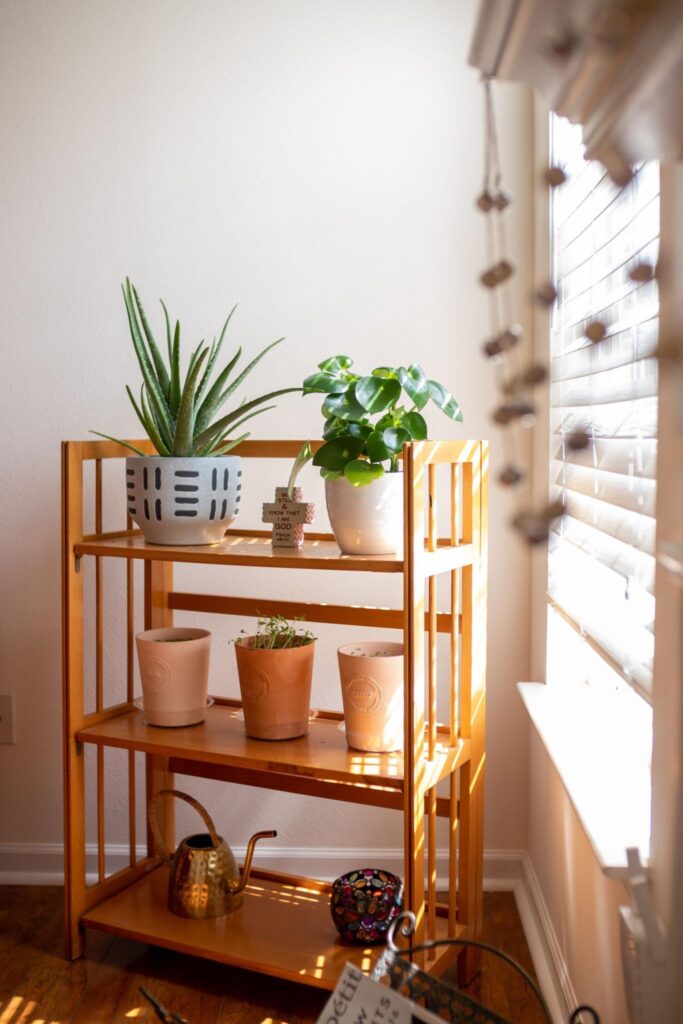
Your garden doesn’t need a huge space.
I started with a small balcony corner. You can use a window, terrace, or even a small outdoor area. The key is to choose a spot where your plants can stay undisturbed.
3. Understand Sunlight Needs
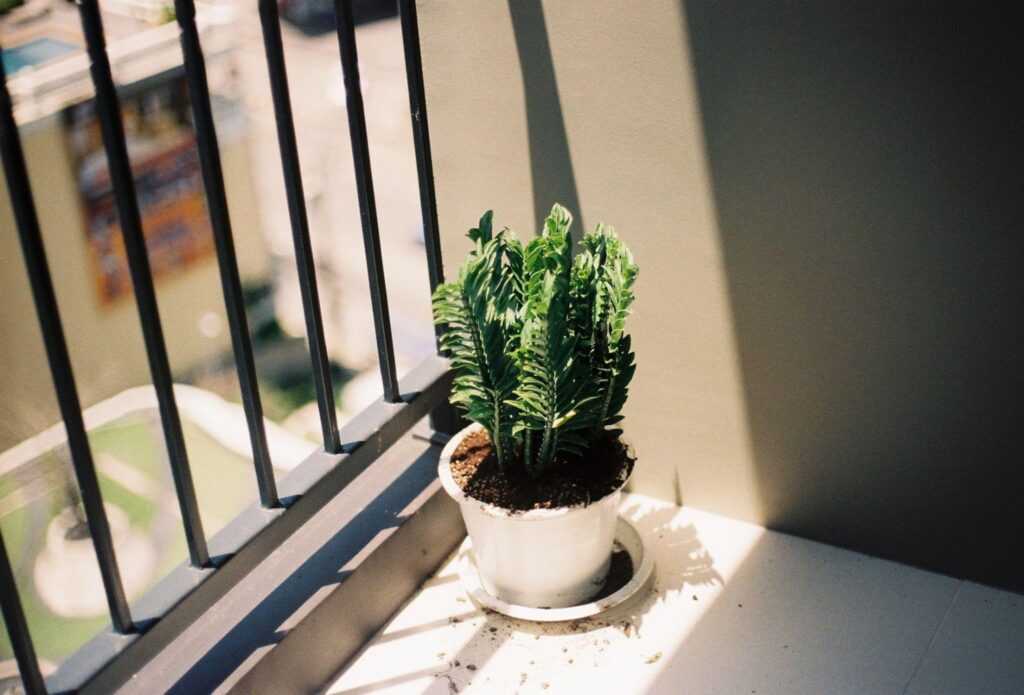
This was something I didn’t pay attention to at first.
Different plants need different amounts of sunlight. I noticed that plants placed in better light grew faster and healthier. Most beginner plants need at least 4-6 hours of sunlight daily.
4. Pick Beginner-Friendly Plants
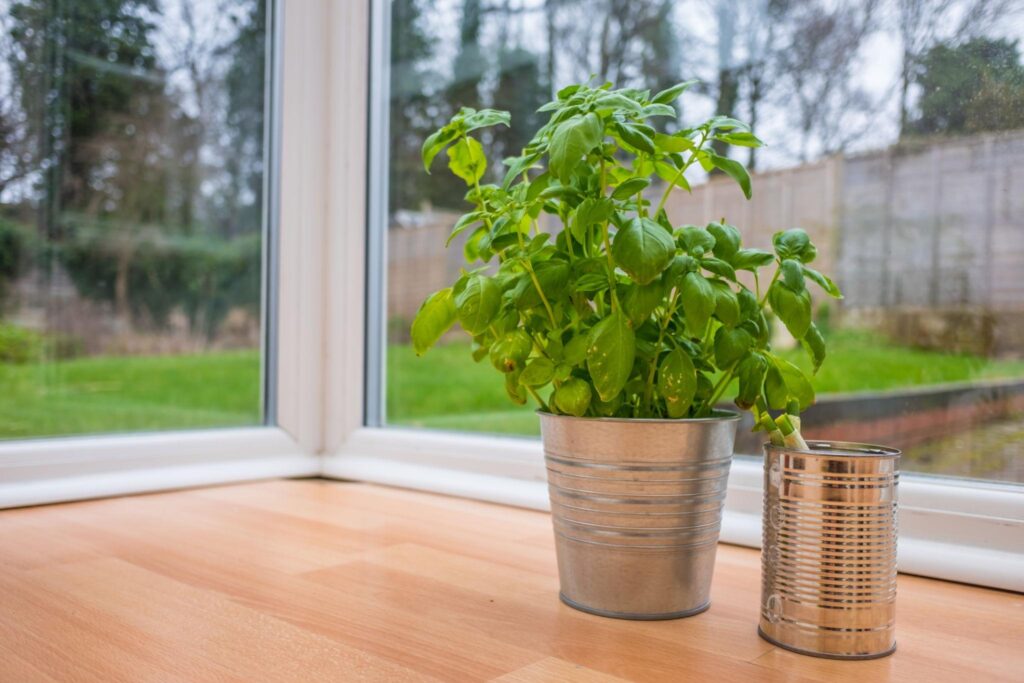
Choosing the right plants makes everything easier.
I started with herbs like mint and coriander, and a few low-maintenance plants. These grow quickly and don’t require too much care, which helps build confidence.
5. Get Basic Gardening Tools
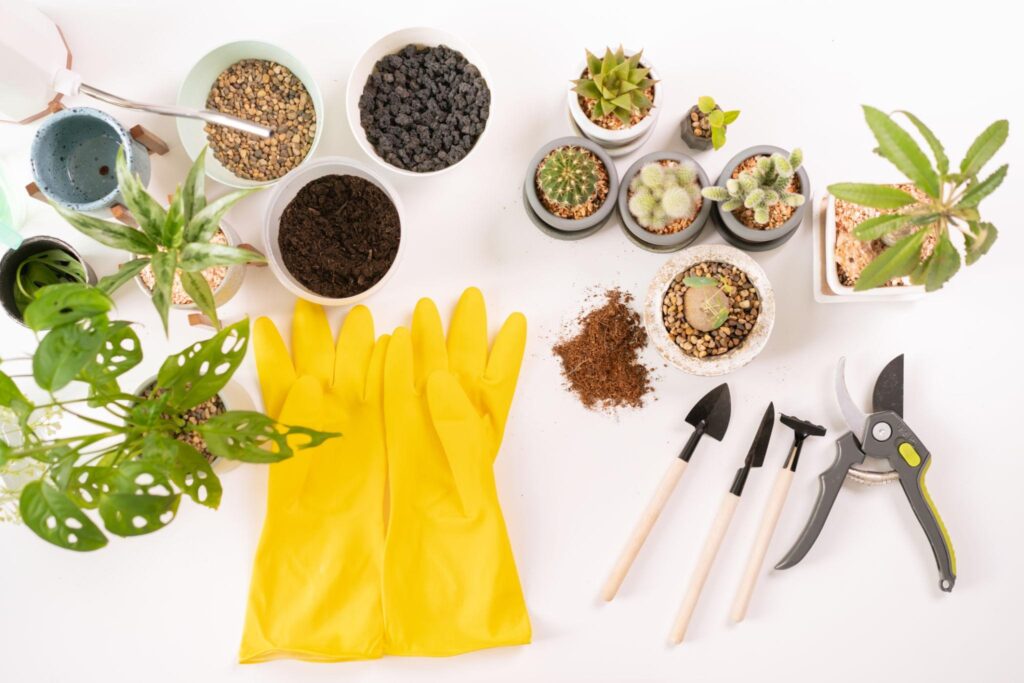
You don’t need a full toolkit.
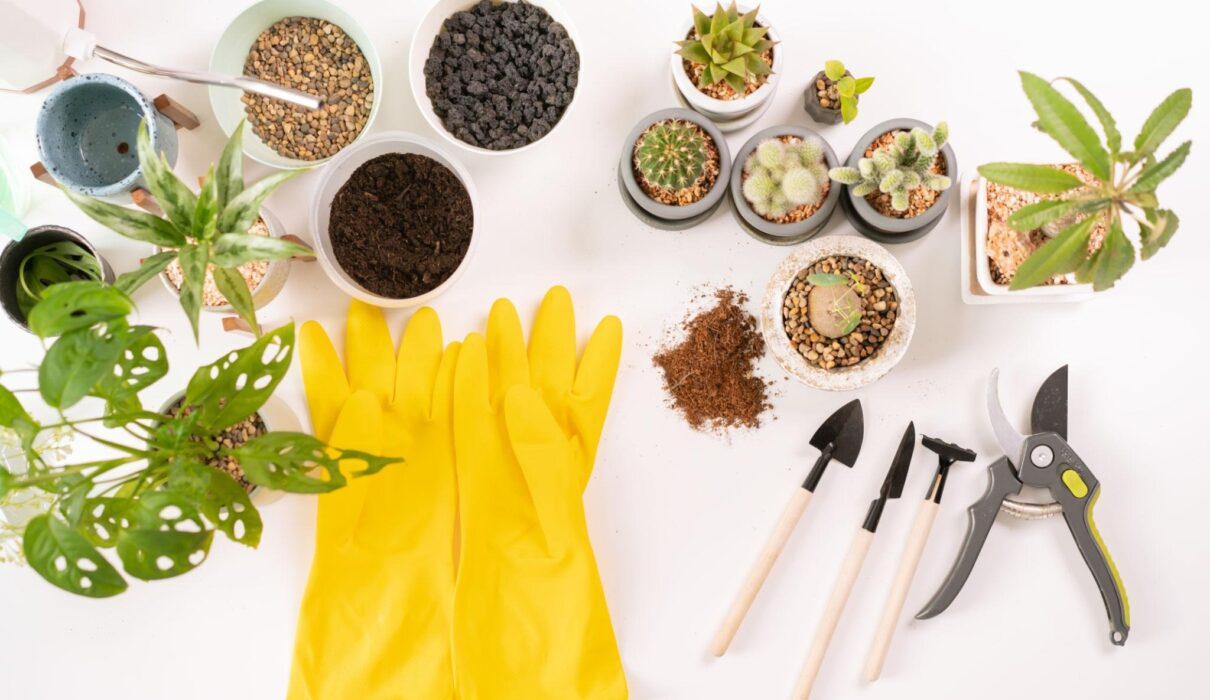
I started with just a small shovel, watering can, and gloves. That’s enough for a beginner. Over time, you can add more tools if needed.
When I started, I used a simple gardening tool set like this Garden Tools it made planting and soil work much easier
6. Choose the Right Containers or Soil
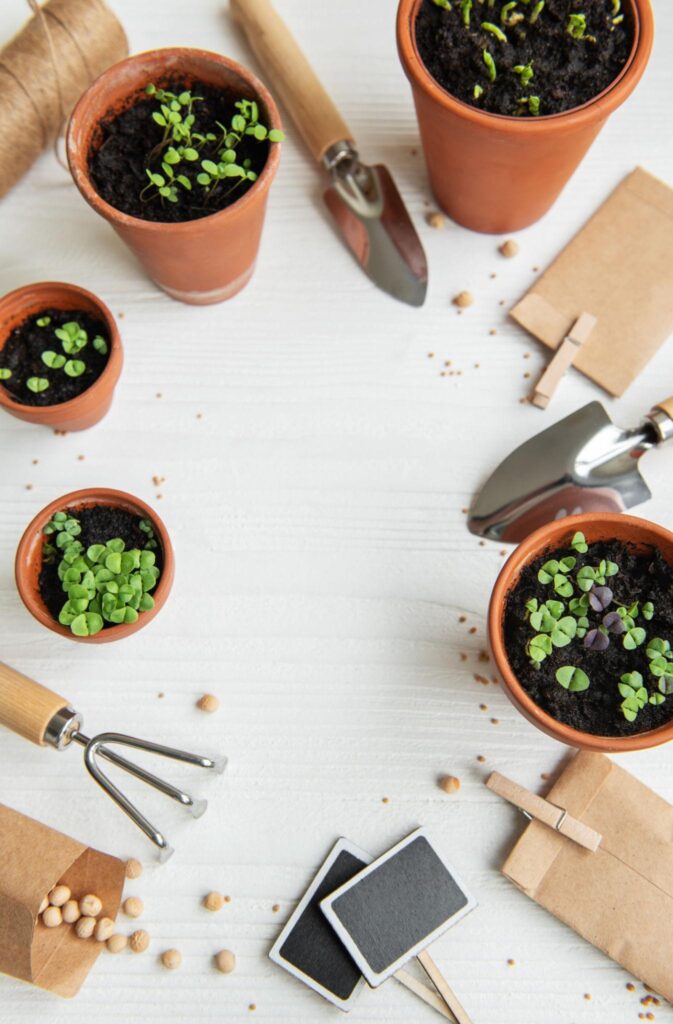
If you don’t have ground space, containers work perfectly.
I used simple pots at the beginning. Just make sure they have drainage holes so excess water can escape. This prevents root damage.
You can start with simple pots like these-pots & planters
7. Learn Basic Watering Habits
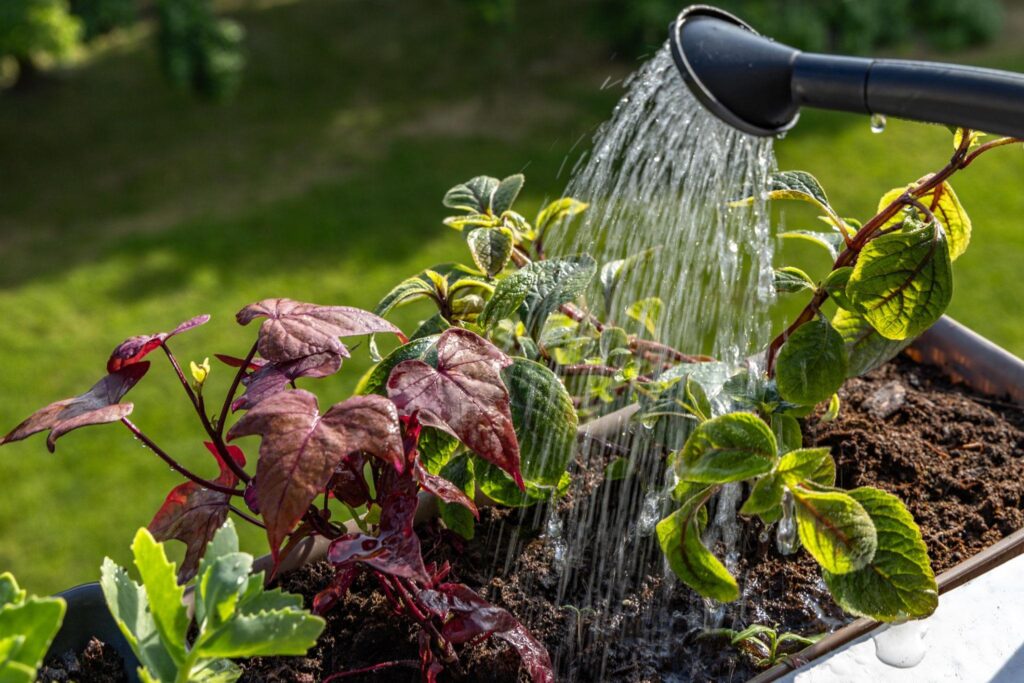
Overwatering was one of my biggest mistakes.
At first, I thought more water meant better growth-but that’s not true. Most plants prefer slightly moist soil, not soaked. I learned to check the soil before watering.
8. Use Good Quality Soil
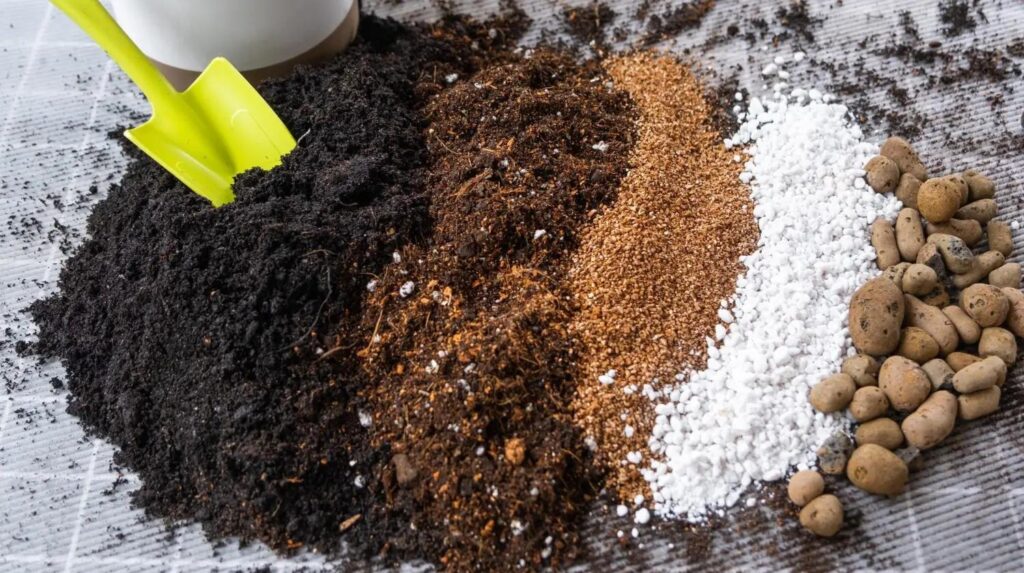
Soil makes a huge difference.
Once I switched to better-quality soil, I saw visible improvement in plant health. A good mix should be loose, well-draining, and rich in nutrients.
9. Start with Seeds or Small Plants
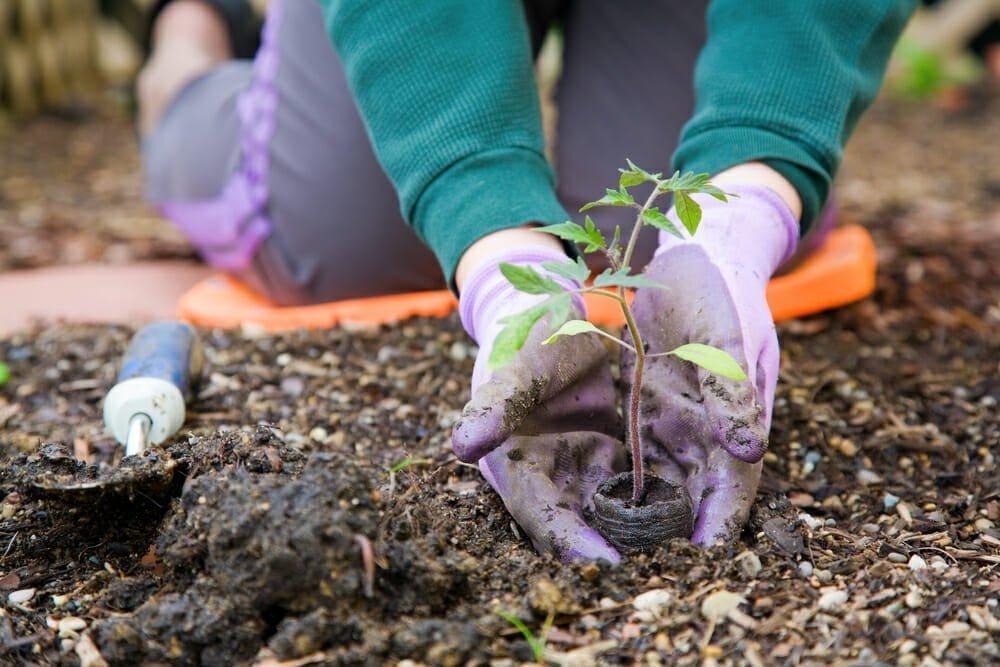
I tried both, and each has its benefits.
Seeds are cheaper but take time. Small plants (saplings) grow faster and are easier for beginners. If you’re just starting, I’d suggest using small plants first.
10. Maintain and Observe Regularly
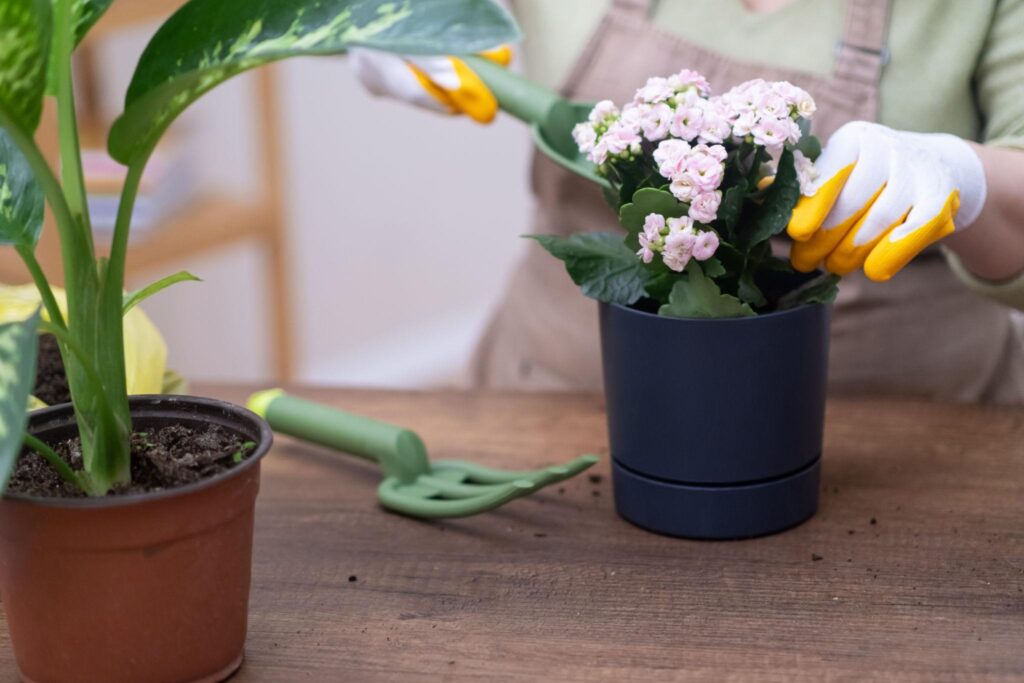
Gardening isn’t about doing everything at once.
I started checking my plants daily-just a few minutes. This helped me notice problems early, like dry soil or damaged leaves.
11. Be Patient and Keep Learning
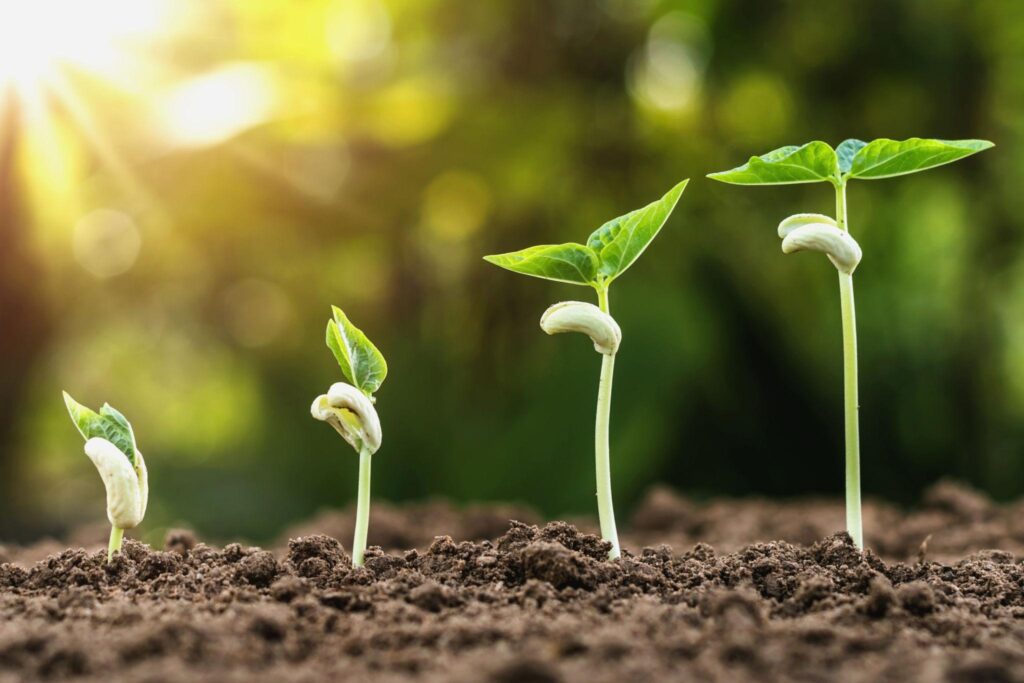
This is the most important step.
Not every plant will survive, and that’s okay. I lost a few plants in the beginning, but each mistake taught me something. Gardening becomes easier and more enjoyable over time.
Final Thoughts
If I had to summarize my journey, I’d say this-starting a home garden isn’t about perfection. It’s about consistency and learning as you go.
Start small, stay patient, and enjoy the process. Over time, your garden will grow-and so will your confidence.