

 By
By Introduction: How I Created a Tiny Garden in My Urban Home
Living in a city often means giving up outdoor space.
For the longest time, I believed gardening was only possible if you had a large backyard or a spacious terrace. My small apartment balcony felt too tiny to do anything meaningful with, so I ignored it completely.
But over time, I started craving more greenery and calm in my daily life.
City living can feel overwhelming. There’s noise, traffic, concrete everywhere, and very little connection to nature. I wanted a small peaceful corner that felt fresh and relaxing-even if I only had a few feet of space to work with.
So I started experimenting with tiny garden ideas for urban homes.
At first, it was just one small plant near a window. Then I added hanging planters, herbs, warm lights, and vertical shelves. Slowly, my tiny outdoor space transformed into a cozy little retreat that made my home feel calmer and more alive.
The best part is that you don’t need a huge area or expensive setup to create a beautiful garden. Even the smallest balcony, patio, kitchen window, or apartment corner can become a peaceful green space with the right ideas.
In this guide, I’m sharing the exact tiny garden ideas that helped me turn my small urban space into a relaxing and aesthetic mini garden.
1. Start With Vertical Gardening
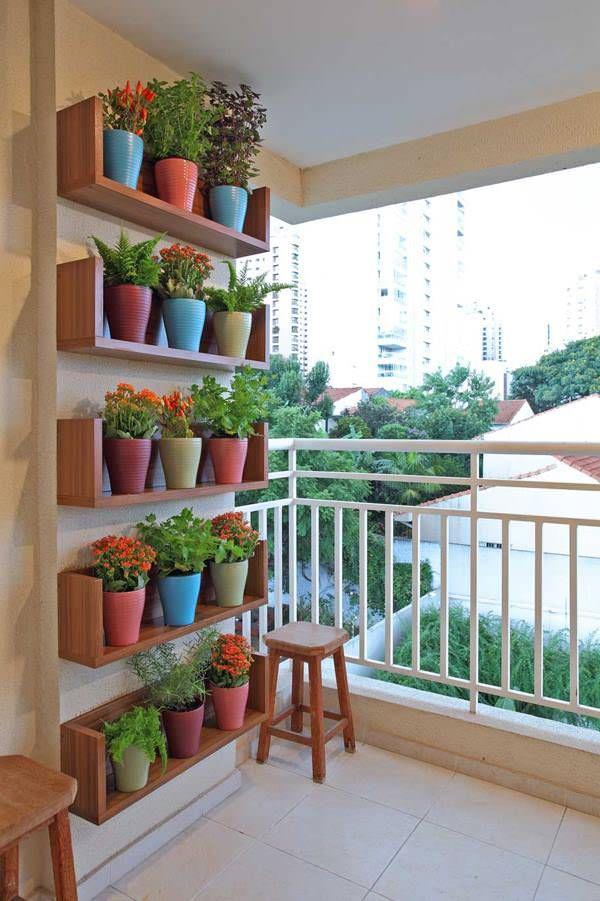
When I first started gardening in my urban home, I quickly realized that floor space was my biggest limitation. My balcony was tiny, and placing large pots everywhere made the area feel cramped instead of relaxing. That’s when I discovered vertical gardening, and honestly, it completely changed the way I used my small space.
Instead of focusing on the floor, I started using walls, railings, shelves, and hanging systems. This allowed me to grow more plants without sacrificing walking space. I installed a narrow vertical shelf in one corner and used it to display small pots, herbs, and trailing plants. Suddenly, the balcony felt greener and more organized without looking overcrowded.
What I love most about vertical gardening is how visually impactful it is. Even a few plants stacked vertically can make a tiny urban space feel lush and alive. It creates the illusion of a much bigger garden because the eye naturally moves upward through the layers of greenery.
Vertical gardening also helped me organize plants better. Instead of random pots scattered everywhere, everything looked intentional and styled. I grouped plants based on size, sunlight needs, and colors to create a more cohesive aesthetic.
Another benefit I noticed was easier maintenance. Since the plants were elevated, watering and cleaning became more convenient. I didn’t have to constantly move pots around to access them.
For urban homes, vertical gardening is one of the smartest ways to maximize space while still creating a cozy green environment.
2. Use Rail Planters on Balconies
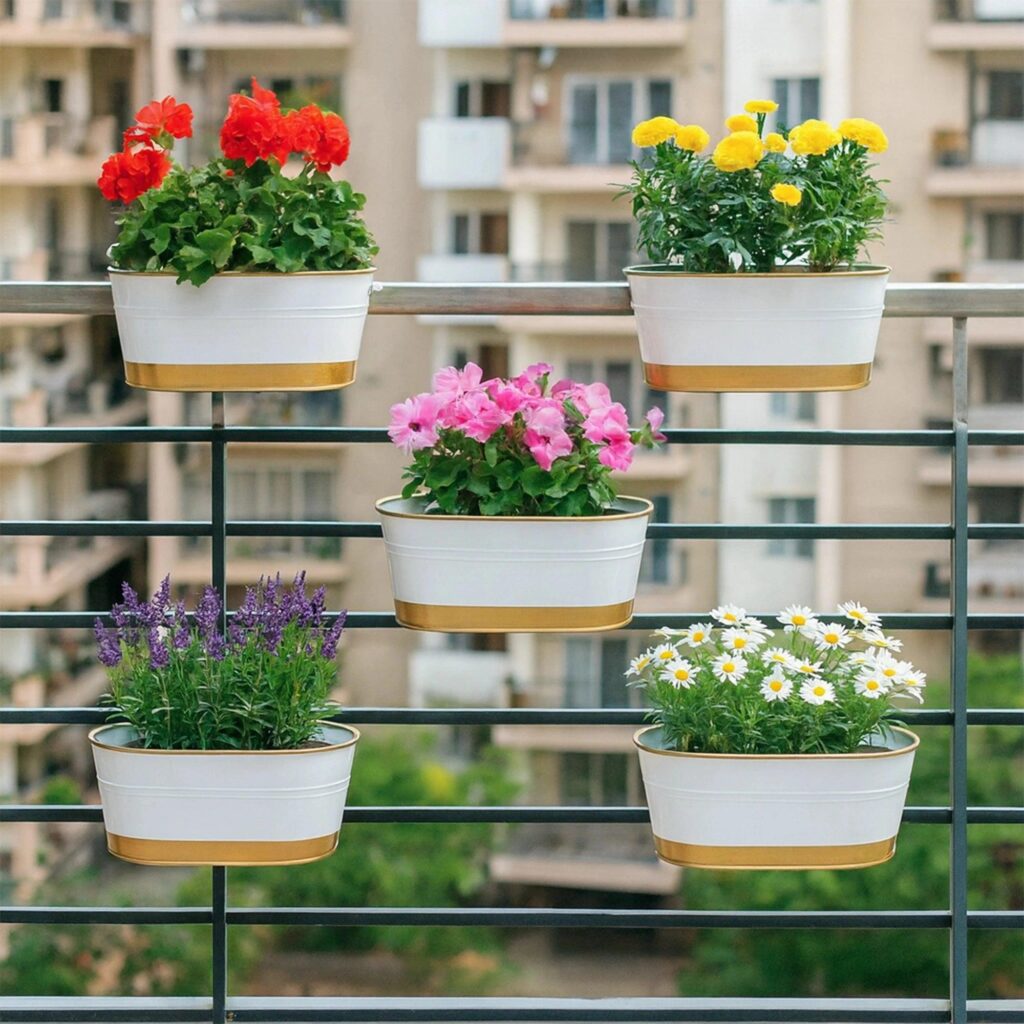
One of the most underused spaces in small balconies is the railing itself. Before decorating my balcony, the railing was completely empty and purely functional. Once I added rail planters, the entire atmosphere changed instantly.
Rail planters are perfect because they allow you to add greenery without taking up valuable floor space. This is especially important in urban homes where every inch matters.
I started by planting herbs and small flowering plants in narrow railing boxes. Seeing greenery at eye level made the balcony feel far more immersive and cozy. Instead of just sitting near plants, I felt surrounded by them.
I also loved how practical the setup became. Fresh herbs like mint and basil were always within reach, which made cooking more enjoyable. The combination of functionality and aesthetics made the space feel intentional rather than decorative for the sake of appearance.
Another thing I noticed is how rail planters soften the harsh urban environment. Looking out at concrete buildings feels very different when there’s a layer of greenery in front of you.
I recommend choosing lightweight planters and avoiding overcrowding them with too many plants. A clean, balanced arrangement always looks more calming and aesthetic.
3. Grow Herbs in the Kitchen Window
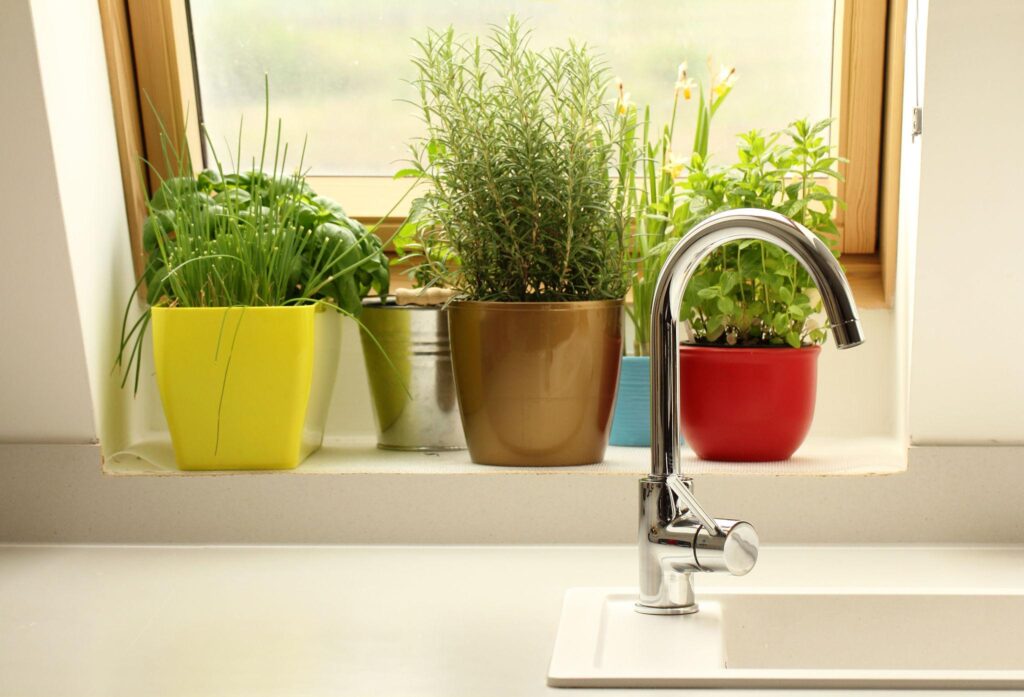
Starting a tiny herb garden near my kitchen window was one of the most rewarding gardening decisions I made.
At first, I simply wanted a little greenery indoors. But once I started growing herbs, I realized how practical and enjoyable it could be. My kitchen instantly felt fresher, brighter, and more alive.
I began with simple herbs that are easy to maintain:
- basil
- mint
- parsley
- coriander
The best part was how useful they became in everyday cooking. Instead of buying herbs constantly, I could simply pick fresh leaves whenever I needed them.
This tiny setup also changed the atmosphere of my kitchen. The greenery softened the space and added natural color without requiring any major decor changes.
One thing I especially love about herb gardening is that it makes gardening feel approachable. You don’t need a large outdoor space or complicated setup. Even a sunny window can become a small thriving garden.
I also noticed that taking care of herbs became part of my daily routine. Watering them in the morning and watching new growth appear made the space feel more connected to nature despite living in the middle of a busy city.
4. Add a Tiny Seating Corner
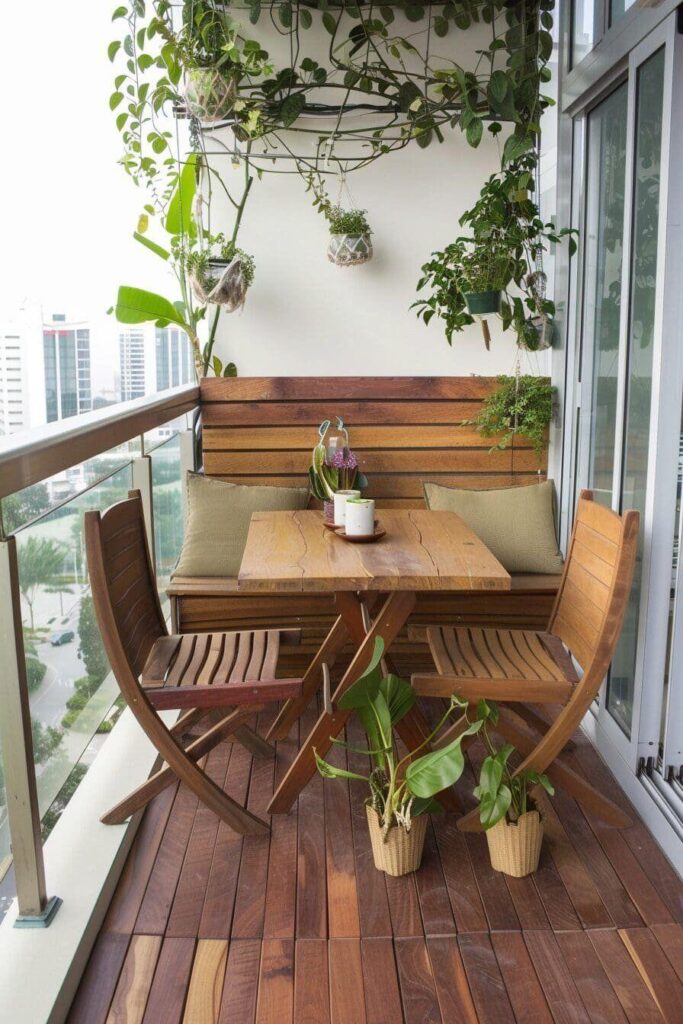
One of the biggest mistakes I initially made was focusing only on the plants themselves and forgetting about comfort.
Once I added a small seating area, my tiny garden finally started feeling complete.
Even a single chair transformed the balcony from a decorative area into a functional retreat. Suddenly, it became a place where I actually wanted to spend time.
I chose compact foldable furniture because it worked well in my limited space. Then I added a small cushion and a soft throw blanket to make the corner feel more inviting.
What surprised me most was how much this changed my daily routine. Morning coffee felt more peaceful, and evenings became more relaxing because I had a quiet outdoor corner to unwind in.
Adding seating also made the space feel more personal. Instead of the balcony looking like a collection of plants, it felt like an extension of my home.
I learned that tiny gardens should not only look beautiful-they should also feel livable and comfortable.
5. Use Hanging Planters for a Layered Look
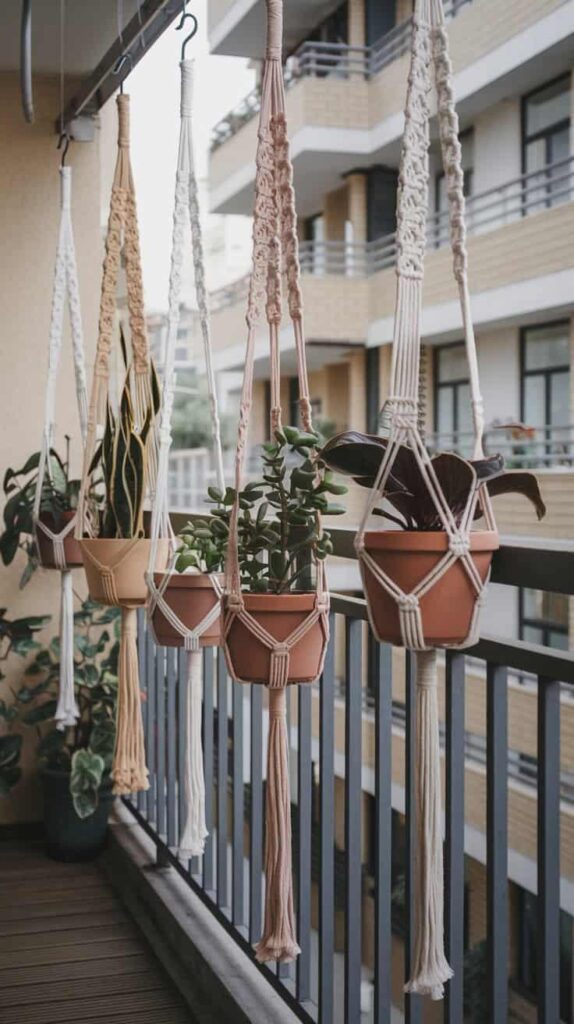
Hanging planters completely changed the visual depth of my tiny garden.
Before using them, all my plants sat at the same level, which made the space feel flat. Once I introduced hanging plants, everything immediately looked fuller and more dynamic.
I especially loved using trailing plants because they naturally create movement and softness. Plants like pothos and ivy spill downward beautifully, making the garden feel lush even in a very small area.
Hanging planters are also incredibly practical for urban homes because they don’t occupy floor space. This allowed me to keep the balcony open and uncluttered while still adding more greenery.
Another thing I noticed is that hanging plants create a cozy canopy effect. The balcony started feeling more enclosed, private, and relaxing.
I personally prefer neutral hanging planters because they keep the overall aesthetic calm and cohesive.
6. Add Warm Outdoor Lighting
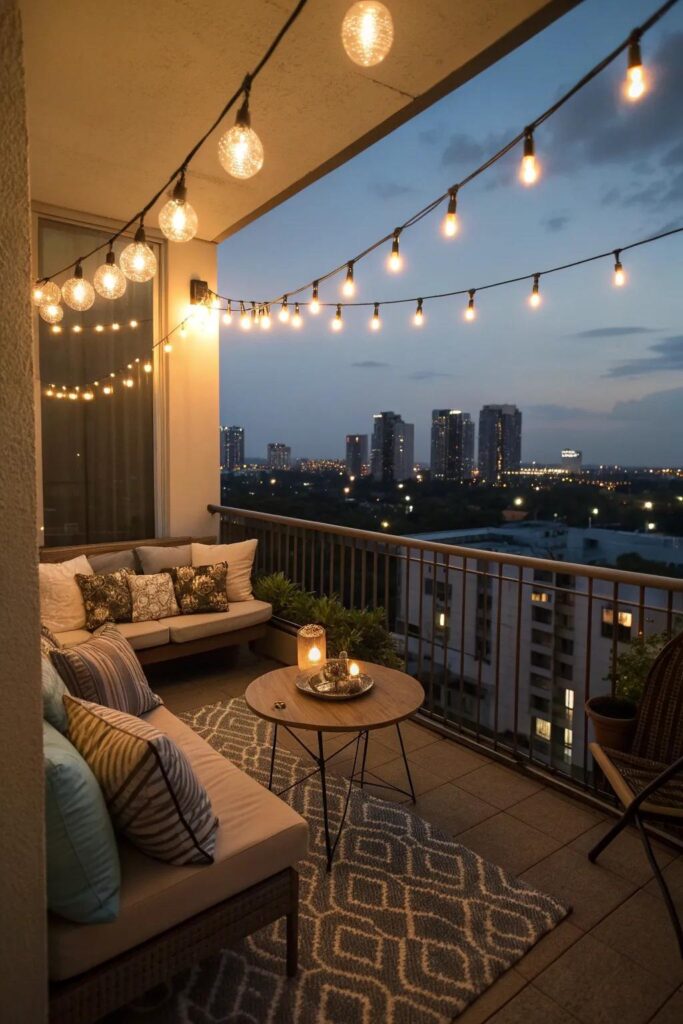
Lighting completely transformed the atmosphere of my tiny garden at night.
During the day, the plants looked beautiful naturally. But once the sun went down, the space felt dark and unfinished. Adding warm outdoor lights changed everything instantly.
I used simple fairy lights and small warm-toned lamps to create a soft glow around the balcony. Suddenly, the area felt magical and calming instead of empty.
What I love most about warm lighting is how cozy it makes even the smallest spaces feel. The plants cast soft shadows, and the entire balcony takes on a peaceful atmosphere.
This also encouraged me to use the space more often in the evenings. Instead of staying indoors, I started spending quiet nights outside with tea, music, or a book.
Warm lighting adds emotional warmth to urban spaces, which often feel cold because of concrete surroundings and artificial city lights.
7. Use Wooden Elements for Warmth
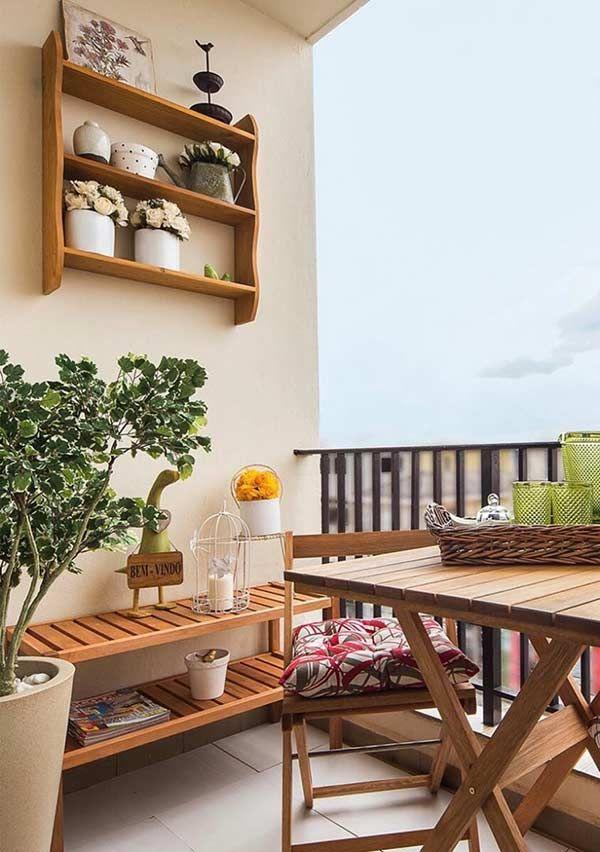
Adding wooden elements made my tiny garden feel far more natural and balanced.
Urban spaces are usually filled with concrete, metal, and glass. Introducing wood softened the overall environment and made the garden feel warmer.
I added wooden shelves, small stools, trays, and plant stands. Even these simple additions changed the visual atmosphere significantly.
Wood pairs beautifully with greenery because it creates an earthy, organic feel. The contrast between natural textures and modern city surroundings makes the space feel more relaxing and grounded.
I also noticed that wooden decor helps small gardens feel less sterile and more lived-in.
Light wood tones worked especially well because they reflected sunlight and kept the balcony feeling airy.
8. Mix Different Plant Heights
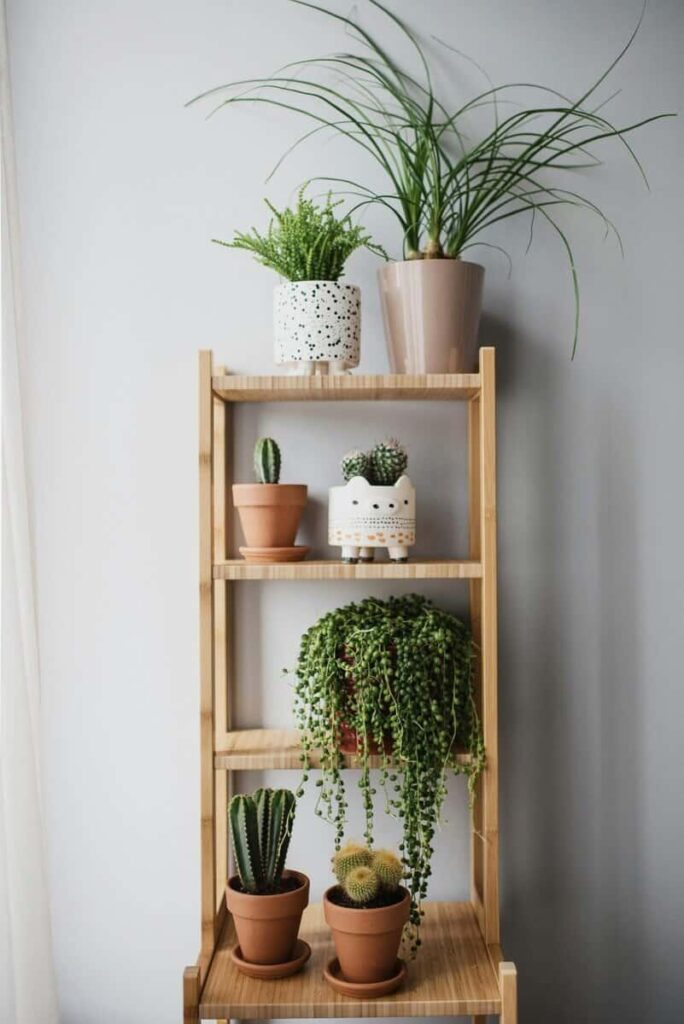
Once I started varying plant heights, my tiny garden looked far more professional and visually interesting.
Before, every pot sat at the same level, which made the arrangement feel repetitive. By mixing tall plants, medium plants, and trailing plants, I created a layered effect that made the space feel fuller.
This layering technique is important because it adds depth to small gardens. Even a tiny balcony can feel lush if the plants are arranged thoughtfully.
I placed taller plants in corners, medium plants on shelves, and trailing plants overhead. This created natural movement throughout the space.
I also realized that layering prevents the garden from looking overcrowded because each plant has its own visual space.
9. Grow Edible Plants in Small Containers
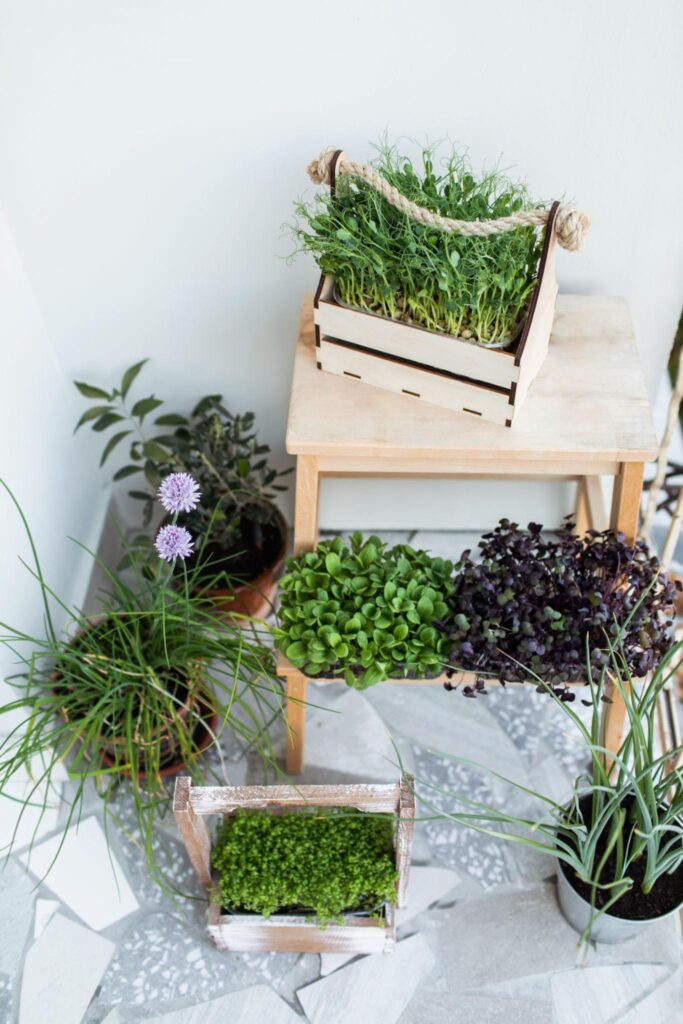
Growing edible plants made gardening feel more rewarding and practical.
Instead of only decorative plants, I added tomatoes, chilies, herbs, and leafy greens in small containers.
Watching food grow in such a tiny urban space felt surprisingly satisfying.
Container gardening is perfect for apartments because it allows flexibility. You can move plants easily depending on sunlight and weather conditions.
I also loved how edible plants made the balcony feel more purposeful and interactive.
10. Use Low-Maintenance Plants
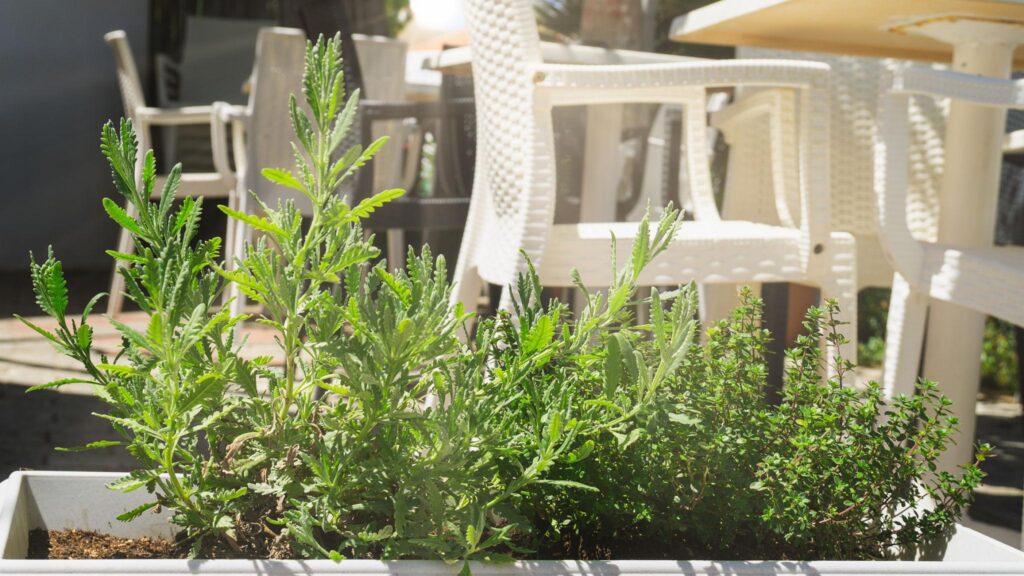
One reason many people give up gardening is because they choose plants that require too much care.
I made that mistake initially, and it became overwhelming quickly.
Once I switched to low-maintenance plants, gardening became enjoyable instead of stressful.
Plants like pothos, snake plants, succulents, and ZZ plants thrive with minimal attention, making them ideal for busy urban lifestyles.
Low-maintenance gardening helped me stay consistent and actually enjoy the process.
11. Use Baskets & Decorative Pots
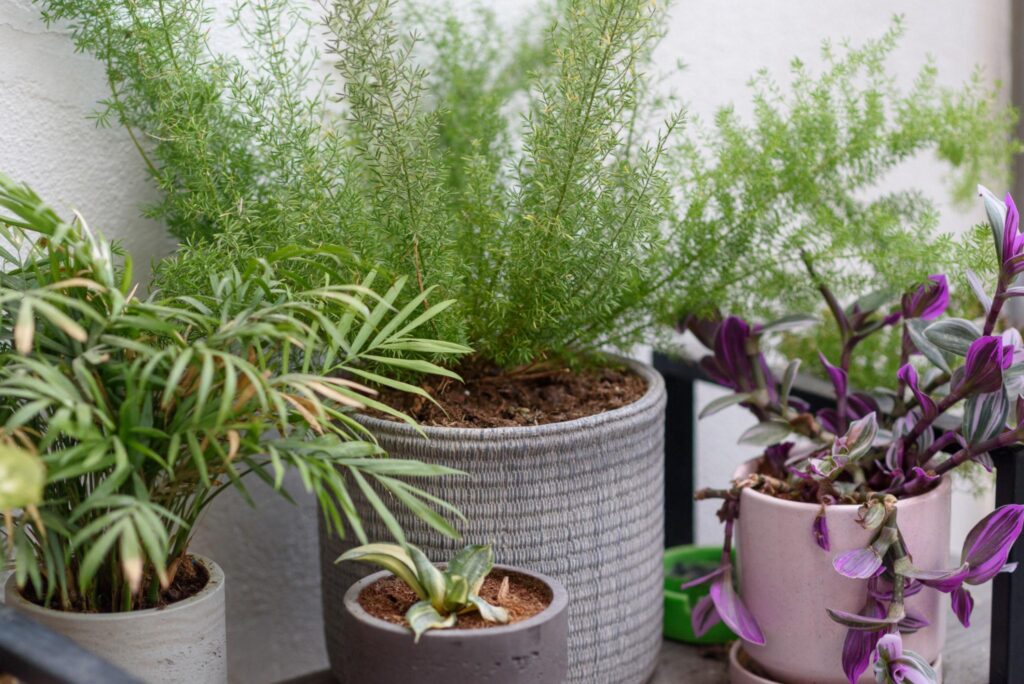
Stylish pots and baskets made my tiny garden feel cohesive and intentional.
Before, I used random mismatched containers, which made the space feel chaotic. Once I switched to neutral pots and woven baskets, everything immediately looked more aesthetic.
Decorative planters help unify the space visually and create a calming atmosphere.
12. Create a Cozy Window Garden
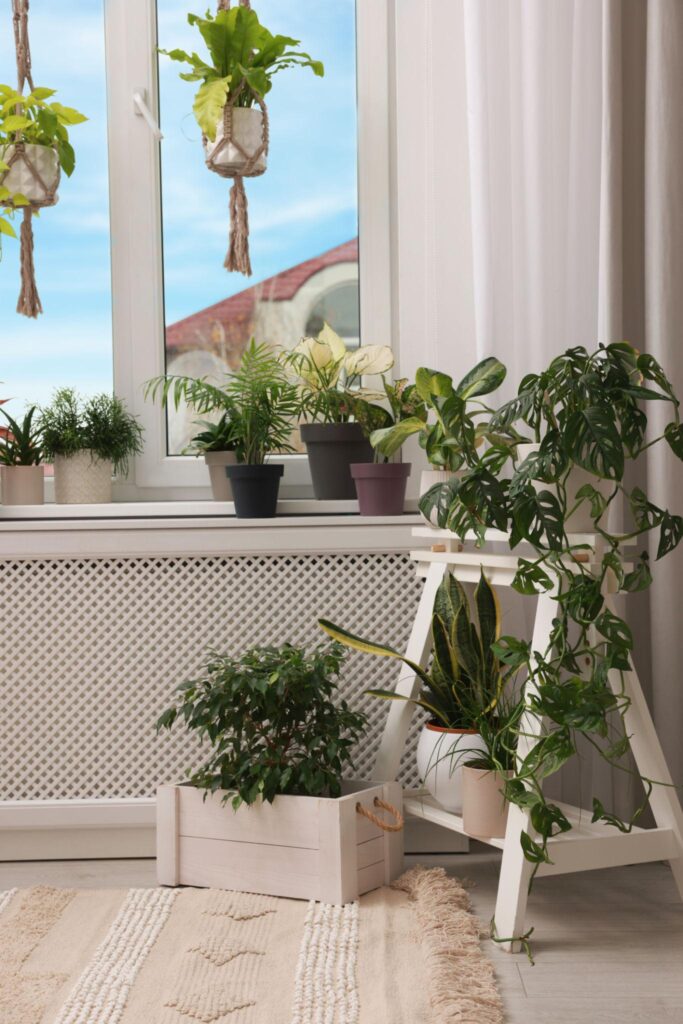
Not everyone has a balcony, but windows can become beautiful mini gardens too.
I placed small plants near sunny windows and instantly noticed how much fresher the room felt.
A window garden softens indoor spaces and creates a connection with nature even in compact apartments.
13. Add Flowers for Color
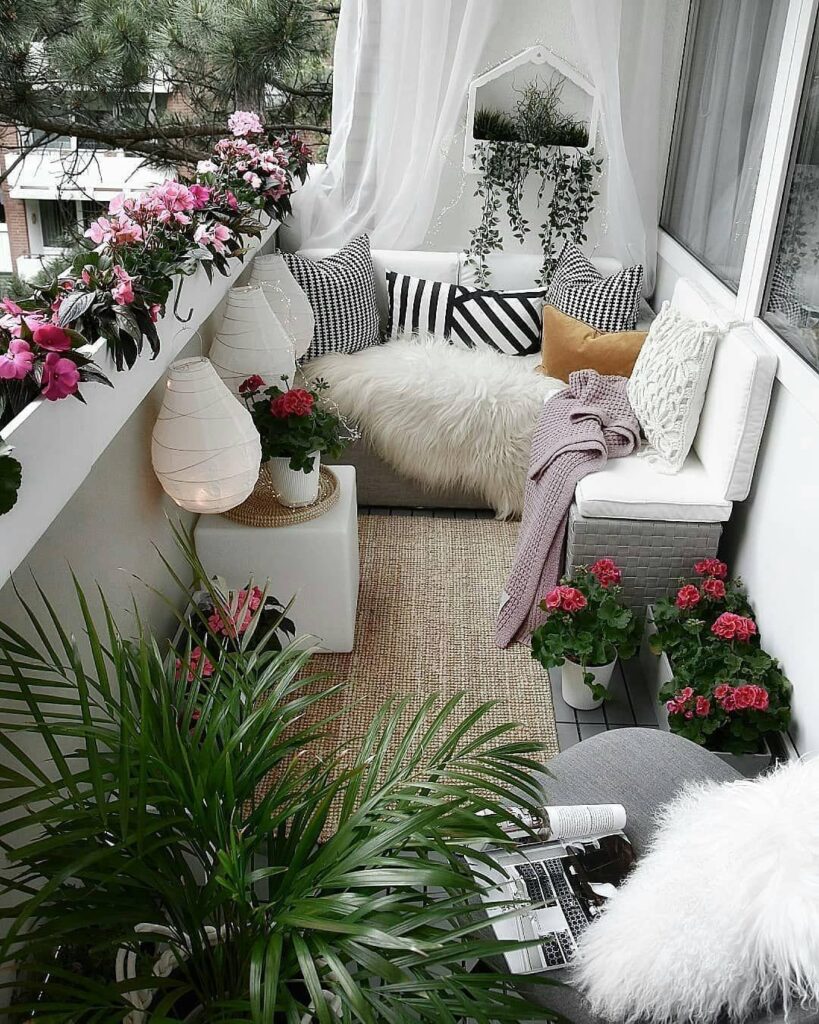
Flowers brought energy and happiness into my tiny garden.
While greenery creates calmness, flowers add personality and vibrancy.
I used small flowering plants to brighten corners and create focal points.
14. Keep the Space Calm & Minimal
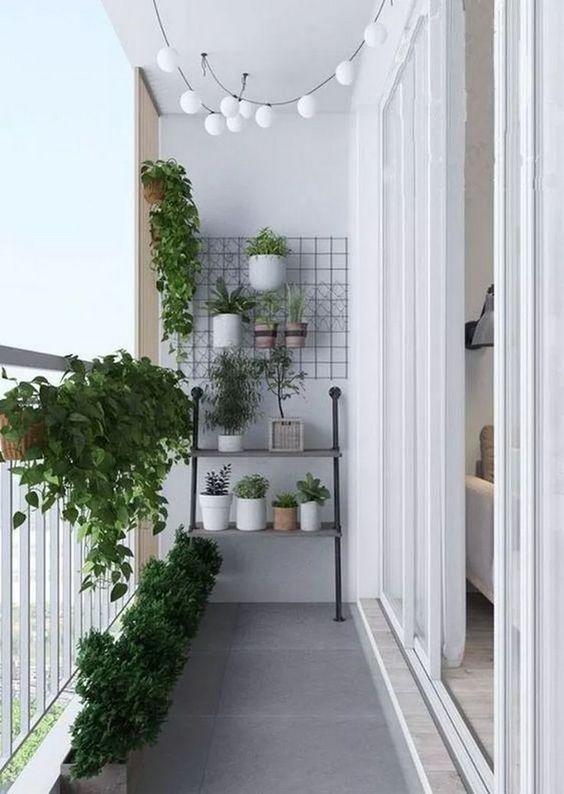
At one point, I started overcrowding my balcony with too many plants and decor items. Instead of feeling peaceful, the space became visually overwhelming.
Once I simplified everything, the garden finally felt relaxing again.
Minimal styling helped the greenery stand out more naturally.
15. Create a Space You’ll Actually Use
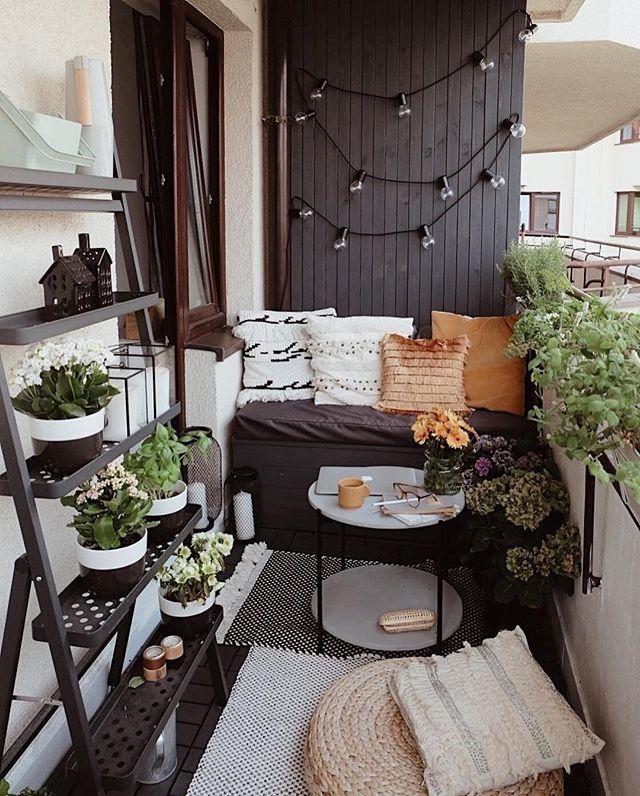
The biggest lesson I learned was this:
A tiny garden should not only look beautiful-it should fit your lifestyle.
Once I focused on creating a space I genuinely enjoyed spending time in, the garden became much more meaningful.
Now it’s not just decoration.
It’s my quiet little escape from busy city life.
Final Thoughts
Creating a tiny garden completely changed how my urban home felt.
Even though the space was small, the greenery made it feel calmer, softer, and more alive.
You don’t need a huge backyard to enjoy gardening.
Sometimes all you need is:
- a few plants
- good lighting
- intentional styling
- and one peaceful corner to slow down in.