

 By
By Introduction: How I Started Kitchen Gardening (With Zero Experience)
I never thought I could grow my own food. I didn’t have a garden, I didn’t have experience, and honestly, I assumed it would be complicated.
But one day, I decided to try something small-just a few herbs in my kitchen. That small step changed everything.
Now, I grow fresh herbs, a few vegetables, and I’ve realized something important: kitchen gardening isn’t about perfection-it’s about starting simple.
If you’ve been thinking about growing your own food, this is exactly how I got started with kitchen gardening for beginners grow your own food easily.
1. I Started Small (And That Made It Easy)
Instead of trying to grow everything, I began with just 2–3 plants.
This helped me learn without feeling overwhelmed.
What I started with:
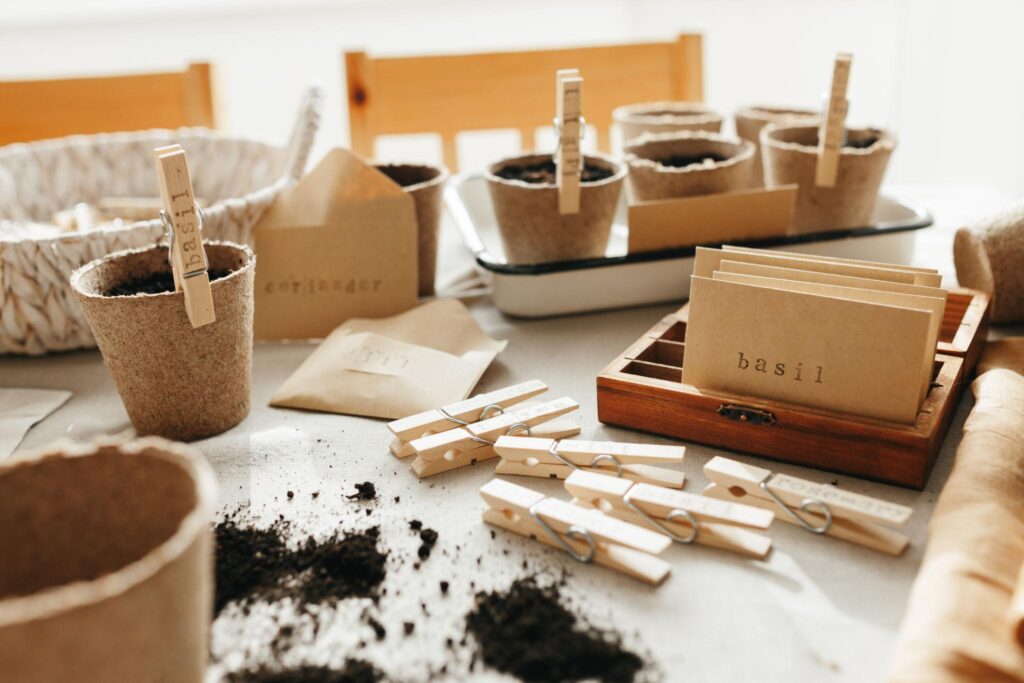
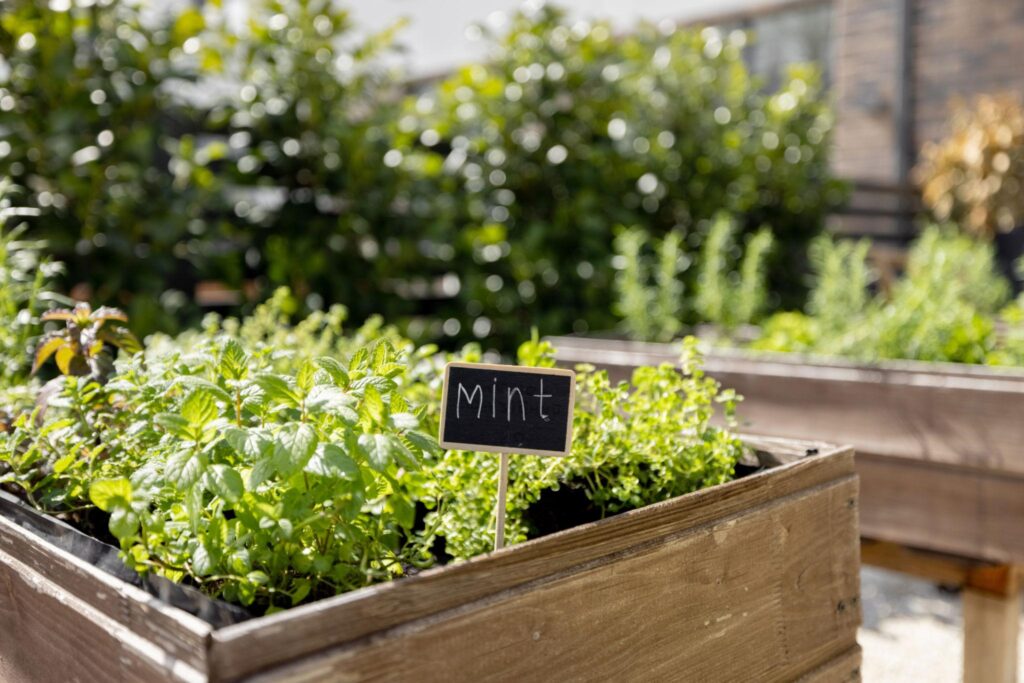
- Mint
- Coriander
- Basil
These grow quickly and don’t need much effort.
Starting small helped me build confidence.
2. I Chose the Right Spot (Light Matters More Than You Think)
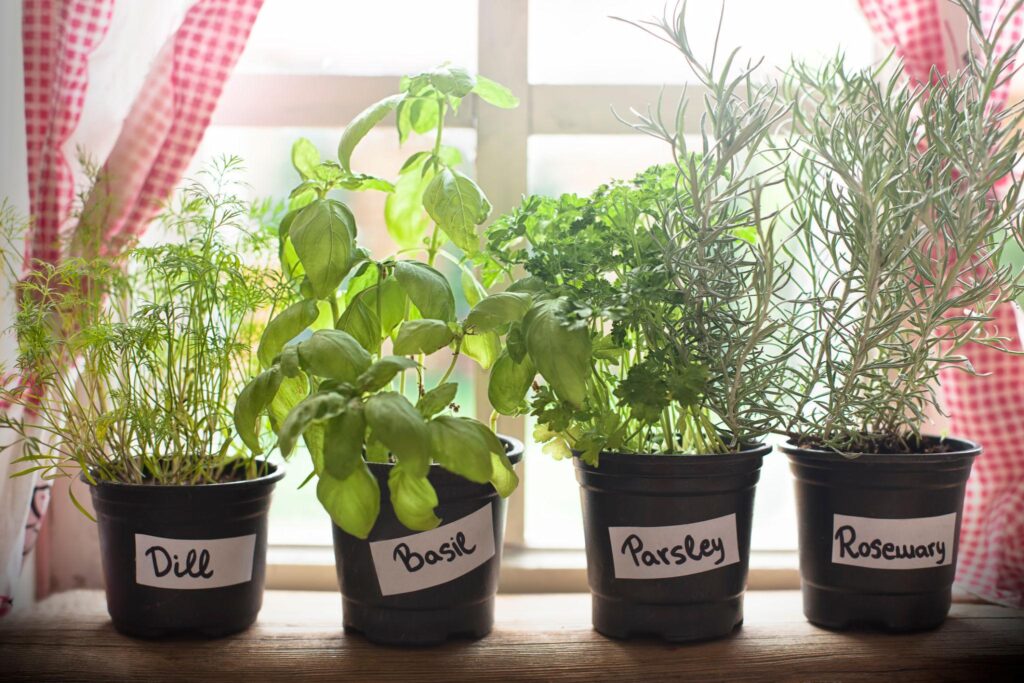
At first, my plants didn’t grow well-and I realized why.
They weren’t getting enough sunlight.
Once I moved them near a window, everything improved.
What I learned:
- Most plants need 4–6 hours of sunlight
- Window sills work best
- Balcony spaces are perfect
Light is one of the most important factors.
3. I Used Simple Containers (No Fancy Setup Needed)
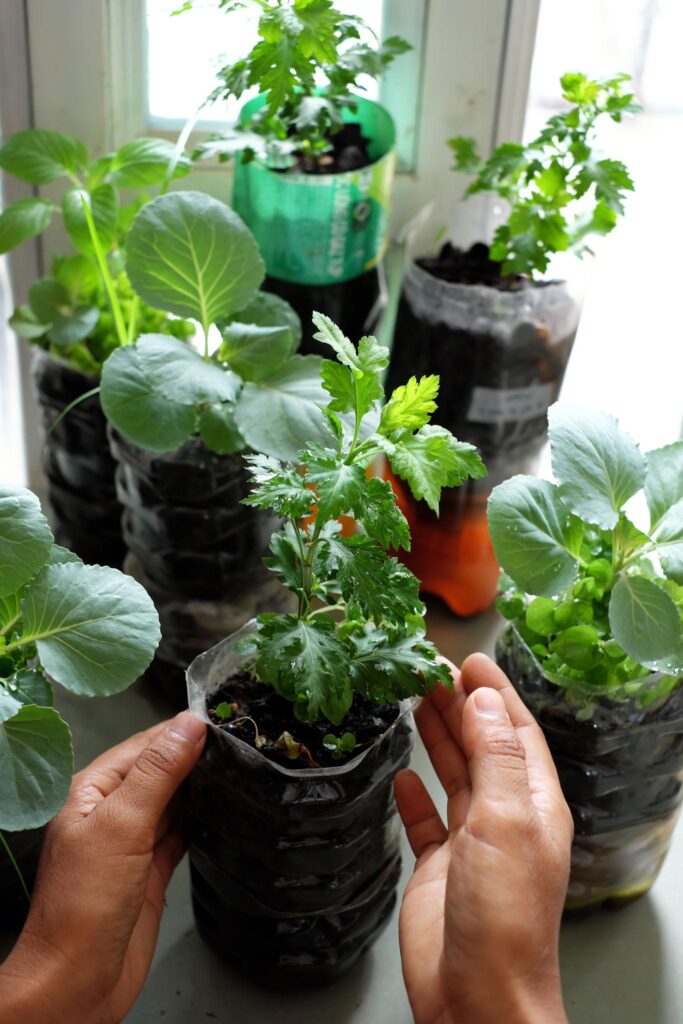
I didn’t buy expensive pots.
I reused what I already had-containers, jars, even old boxes.
What I used:
- Plastic containers
- Old jars
- Small pots
As long as there’s drainage, it works.
4. I Focused on Easy-to-Grow Plants
Some plants are just easier for beginners.
Choosing the right ones made everything smoother.
Beginner-friendly plants:
- Mint
- Coriander
- Green chillies
- Spinach
These grow fast and don’t require much maintenance.
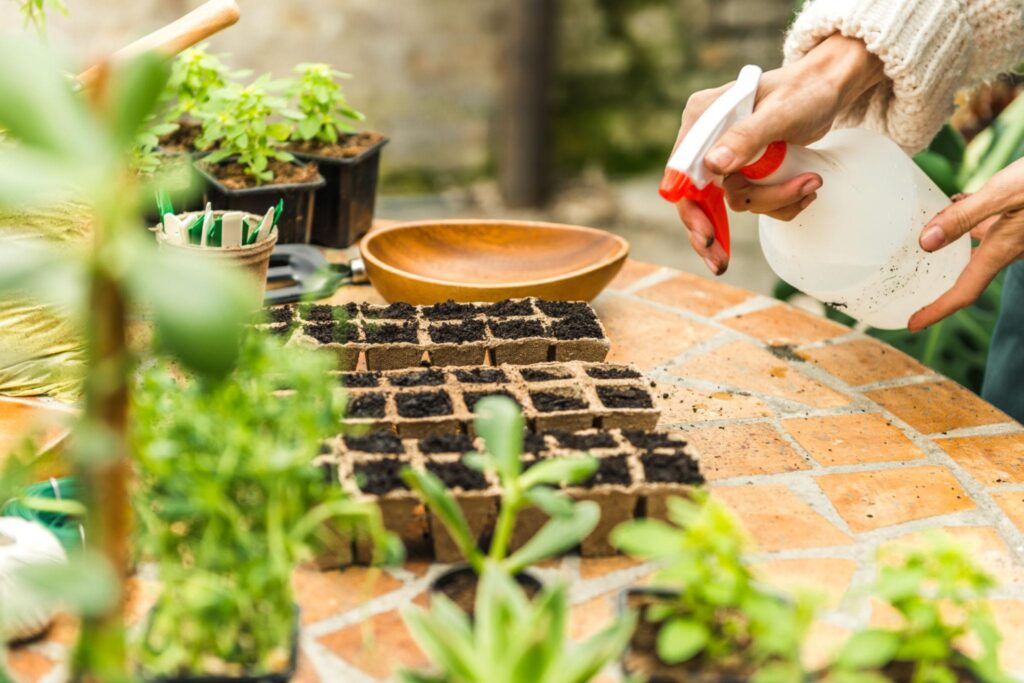
5. I Watered Consistently (But Not Too Much)
At first, I overwatered my plants.
That actually slowed growth.
Then I learned the balance.
My simple rule:
- Water when soil feels dry
- Avoid overwatering
- Use small amounts regularly
Consistency matters more than quantity.
6. I Used Basic Soil (Nothing Complicated)
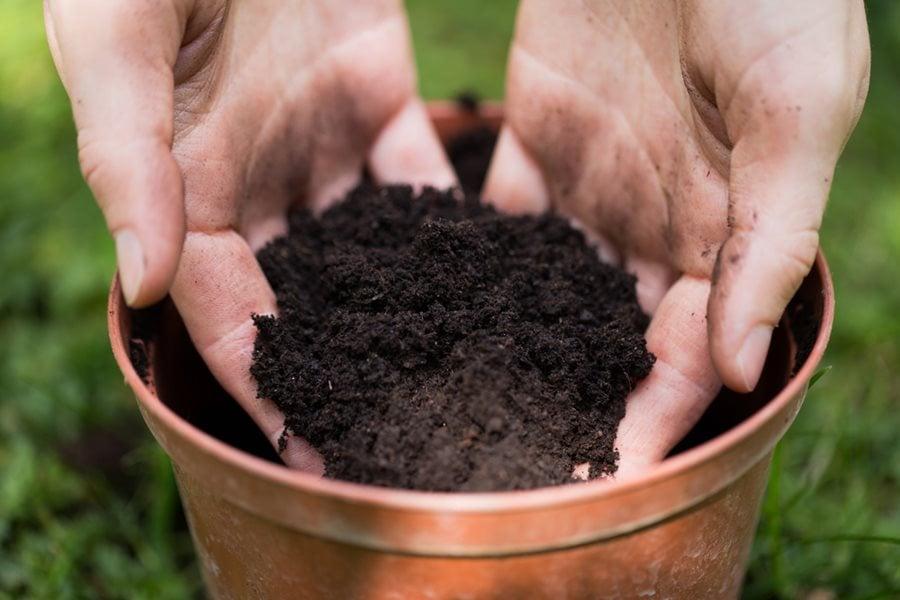
I didn’t overthink soil.
I used simple potting mix, and it worked perfectly.
What I learned:
- Good drainage is key
- Avoid heavy soil
- Keep it light and airy
You don’t need expensive materials.
7. I Created a Simple Routine
Plants don’t need constant attention-but they do need consistency.
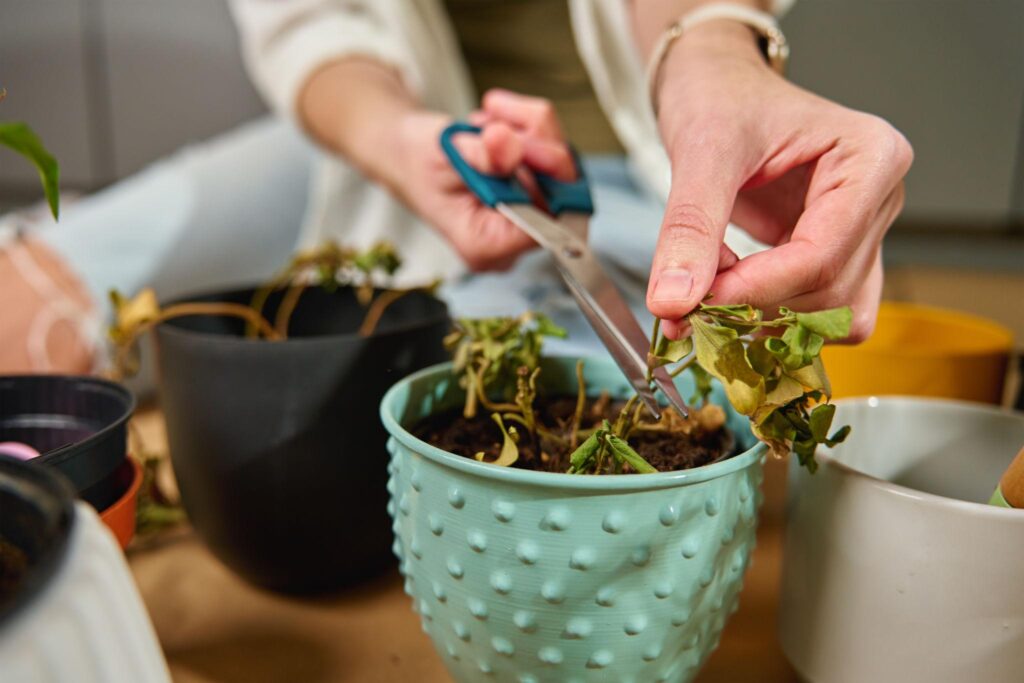
I created a small routine:
- Morning check
- Watering when needed
- Removing dry leaves
This made everything easy to manage.
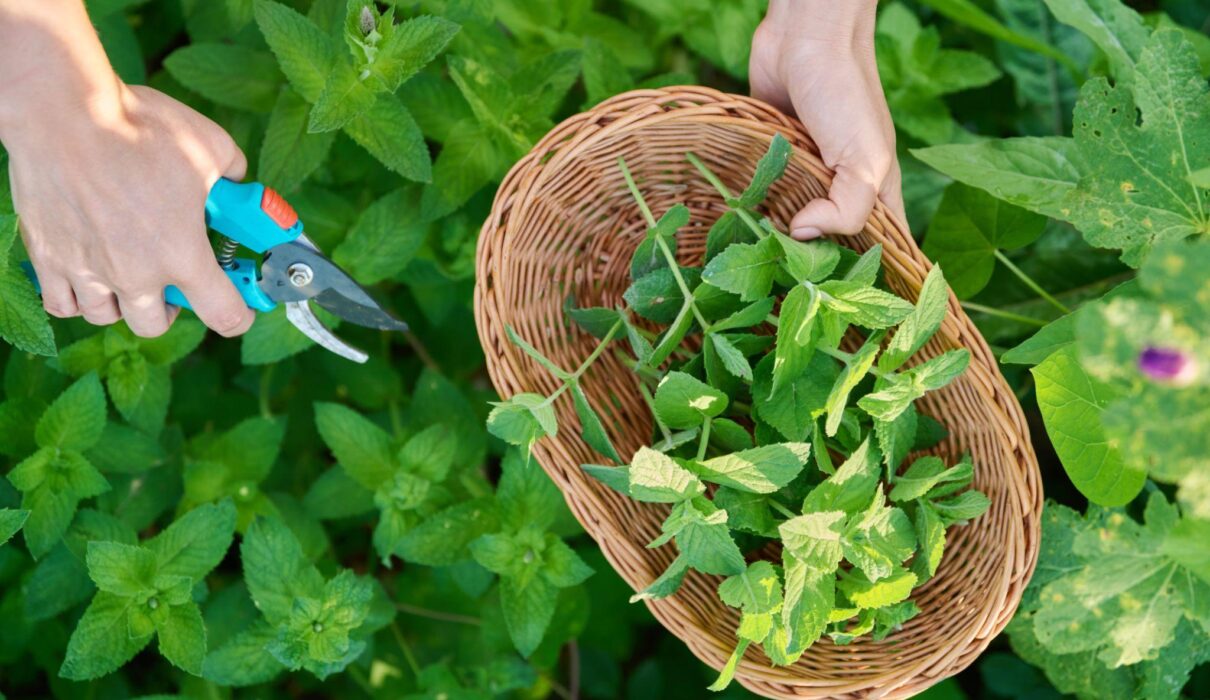
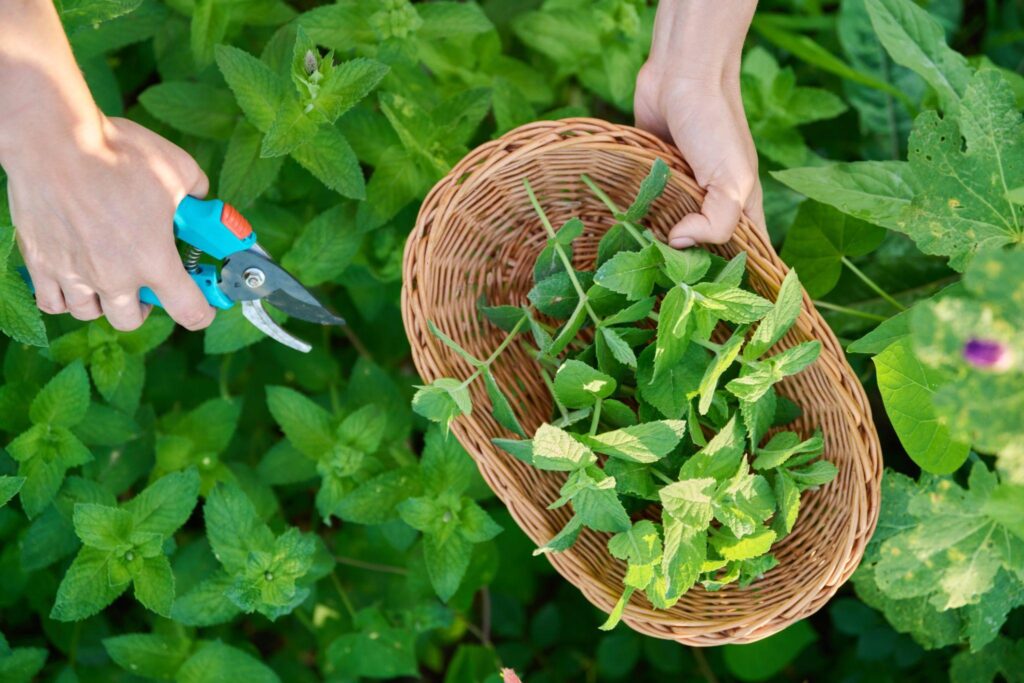
8. I Harvested Regularly (This Was the Best Part)
The first time I used my own herbs in cooking-it felt amazing.
Harvesting actually helps plants grow more.
What I do:
- Trim regularly
- Use fresh leaves
- Avoid cutting too much at once
This keeps plants healthy.
9. I Didn’t Aim for Perfection (Just Progress)
Some plants didn’t survive-and that’s okay.
Kitchen gardening is about learning and improving.
What helped me:
- Starting again
- Learning from mistakes
- Keeping it simple
Over time, it became easier and more enjoyable.
Conclusion: Growing Your Own Food Is Easier Than You Think
Kitchen gardening doesn’t require a big space or big investment.
It just needs a small start and a little consistency.
If you’ve been thinking about it, start today-even with one plant.
That’s exactly how I began.